Sedation Dentistry
It’s normal for children to feel nervous at the dentist, and most kids do well with patience, gentle explanations and a supportive team. Some children, though, have significant anxiety, need extensive treatment, are very young or have special health care needs that make dental work difficult. For these children, sedation can help them stay calm and comfortable so treatment can be completed safely.
Dr. Jackie Fillinger served as Chief Resident of the pediatric dentistry program at Temple University Hospital, and Dr. Maetal Henig, who trained in the same hospital-based program, is board certified by the American Board of Pediatric Dentistry. Pediatric dental residency includes training in nitrous oxide, sedation and dental care under general anesthesia, and both doctors use that training to recommend the gentlest option that will meet your child’s needs.
Nitrous Oxide for Kids
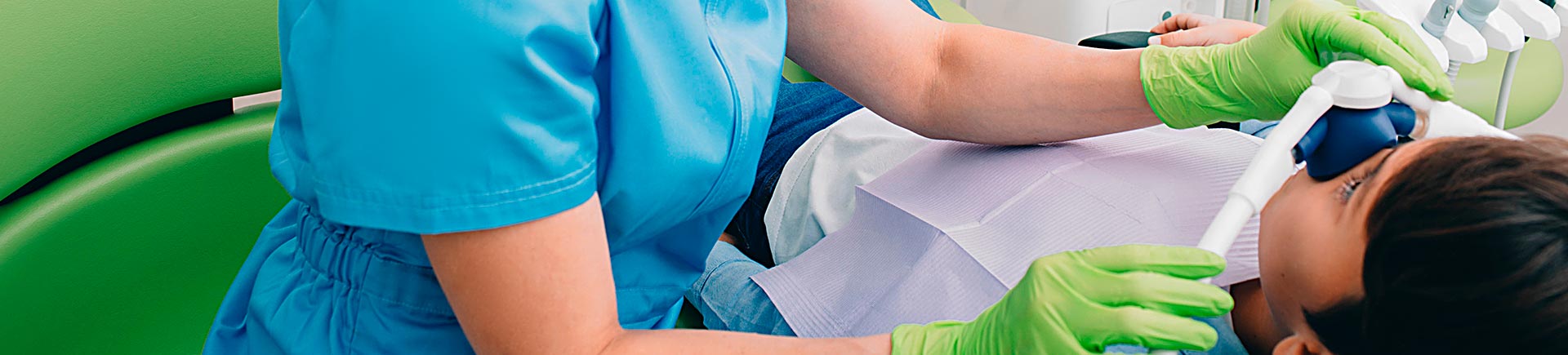
Nitrous oxide, often called laughing gas, is a mild sedative your child breathes through a small nose mask. It helps children feel relaxed while staying awake and able to respond. The effects begin within minutes and wear off quickly once the mask is removed, so most children can return to normal activities the same day.
Oral Sedation
Oral sedation is a medication your child takes by mouth shortly before the procedure. It typically begins working within about 20 to 30 minutes and helps children feel calm and drowsy while remaining conscious. Before an oral sedation visit, you’ll receive specific instructions about eating and drinking, and your child will need an adult to stay with them and watch them closely for the rest of the day.
Hospital Dentistry Under General Anesthesia
Some children need extensive treatment or can’t safely receive care in the office because of anxiety, age or special health care needs. In these cases, treatment may be completed in a hospital setting under general anesthesia, where an anesthesiologist administers and monitors the anesthesia while our dentist completes the dental work. This allows multiple procedures to be done in one visit. Our doctors will review the process, the risks and the alternatives with you in detail.
Sedation Safety for Children
Your child’s safety comes first. Before recommending sedation, our dentists review your child’s medical history, medications and any recent illnesses, and we may reschedule if your child has a cold or fever. Follow all eating and drinking instructions carefully. After sedation, keep your child resting under adult supervision. If your child has trouble breathing, can’t be woken or seems unusually unresponsive after a visit, call 911.
Schedule a Sedation Consultation in South Philadelphia
If your child feels very anxious about the dentist or needs extensive treatment, talk with us about whether sedation is right for them. Request an appointment with our pediatric dentists. Learn more about care for children with special needs and our restorative care.
Frequently Asked Questions About Sedation Dentistry for Kids
When used by trained providers with proper screening and monitoring, sedation has a strong safety record. Our dentists review your child's health history and choose the lightest option that will keep your child comfortable.
No. Nitrous oxide and oral sedation help children relax while staying awake and able to respond. Only general anesthesia, provided in a hospital setting, puts a child fully to sleep.
It depends on the type of sedation. Nitrous oxide usually needs only a light meal beforehand, while oral sedation and general anesthesia require specific fasting instructions. We'll give you clear directions before the visit.
After nitrous oxide, most children feel normal within minutes. After oral sedation or general anesthesia, children may be drowsy or unsteady for several hours and should rest at home with an adult watching them.
We consider your child's age, anxiety level, medical history and how much treatment is needed. Many children do well without sedation using behavior guidance. Learn more about why a pediatric dentist can help.
Coverage varies. Some dental and medical plans cover sedation or hospital care when it's medically necessary. Our team will help you understand your benefits. See insurance and payment.
Medically reviewed by Jacqueline Ann Fillinger, D.M.D. on